Parking restrictions Lewisham council and removals fines: a practical guide for stress-free moving days
Moving house or relocating a business in Lewisham is hard enough without a parking ticket landing on the mat afterwards. Parking restrictions Lewisham council and removals fines often catch people out at the worst possible moment: the van arrives, the clock starts ticking, the sofa is halfway out the door, and suddenly there is nowhere legal to stop. That is the point where a smooth move can turn into a very expensive afternoon.
This guide explains how local parking rules affect removals, why fines happen, how to reduce the risk, and what sensible planning looks like in real life. If you are moving a flat, a family home, or an office, the same principle applies: a little advance thinking can save you money, time, and a lot of unnecessary stress.
Why Parking restrictions Lewisham council and removals fines Matters
Parking is not a side issue on moving day. It is one of the things that determines whether the job runs to plan or ends in delays, tension, and avoidable cost. In Lewisham, that matters even more because streets can be narrow, bays can be controlled, and a van may need to stop for loading in a place that is not immediately obvious to the driver.
When people think about removals fines, they often assume the only risk is a straightforward penalty notice. In practice, the problem can be broader. A vehicle may block traffic, overstay in a loading bay, park on single yellow lines at the wrong time, or stop where road markings look permissive but are not. One small error can snowball. The crew waits, the lift booking slips, neighbours get annoyed, and the move starts feeling like a scramble.
To be fair, most moving-day parking problems are preventable. The challenge is that removals are time-sensitive. You are carrying heavy furniture, juggling keys, trying not to nick the banister, and maybe someone is already holding the kettle in the new place. That is exactly when parking rules need to be settled beforehand, not guessed on the fly.
Expert summary: the cheapest parking strategy is rarely the nearest space. It is the legal one that keeps the van close enough, the route clear, and the move moving.
If you are arranging a move with a local team, it is worth also checking the relevant service pages early in the process, especially if your move includes a larger load, fragile items, or a tight deadline. For example, house removals, flat removals, office removals, and man and van work all depend on practical access just as much as lifting capacity.
How Parking restrictions Lewisham council and removals fines Works
At a simple level, Lewisham council parking restrictions tell drivers where they can stop, how long they can remain, and what activity is permitted. Removals are different from ordinary parking because they often involve loading, unloading, repeat trips to and from the property, and vans that need to stay close to the entrance for safety and speed.
That creates a few common scenarios:
- a resident permit bay may be restricted to permit holders only;
- a shared use bay may allow limited loading but only within set times;
- a single yellow line may allow stopping at certain times and not others;
- a red route or busier corridor may have stricter no-stopping rules;
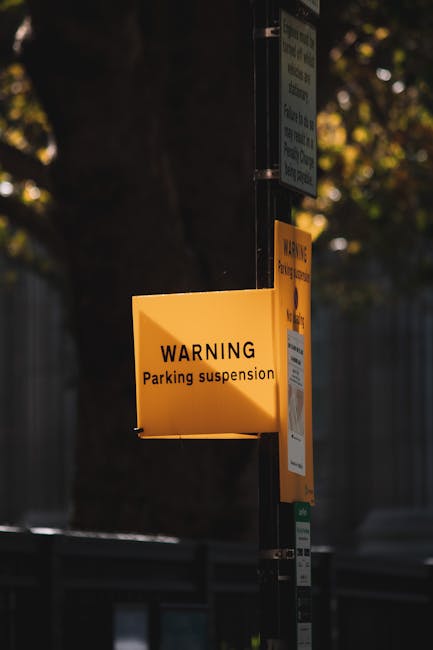
- a suspension or special event restriction may temporarily change normal access.
So, what actually causes removals fines? Usually one of three things: misunderstanding the restriction, stopping for longer than allowed, or parking in a place that is technically unsuitable for a commercial vehicle. And yes, even if the van is only there for a few minutes, that can still be enough if the restriction does not permit it.
There is also a practical reality that people do not always talk about. A van driver may be legally parked, but if the space is too far away, the carry distance becomes longer and more awkward. That raises the risk of damage, fatigue, and delays. In other words, the goal is not just to avoid the ticket; it is to make the move workable.
If you are arranging the move yourself, you may also need supporting services like a removal van, removal services, or even removal truck hire if the volume is larger than expected. The bigger the vehicle, the more important parking access becomes. A tight street and a long wheelbase do not always get along, let's face it.
Key Benefits and Practical Advantages
Good parking planning does more than keep you away from fines. It makes the move calmer and more efficient. That sounds obvious, but on the day, obvious things are often the ones people skip.
- Lower risk of penalties: you are less likely to receive a parking charge or moving-related fine.
- Faster loading and unloading: the van is positioned where the crew can work safely and quickly.
- Less physical strain: fewer extra metres carrying heavy items up steps or across the pavement.
- Better protection for belongings: shorter carry distances reduce the chance of knocks, scrapes, and dropped items.
- Reduced neighbour friction: you avoid blocking driveways, bins, or access routes for longer than necessary.
- Cleaner schedule control: a properly parked van helps keep lift bookings, key handovers, and delivery windows on track.
There is also a commercial benefit. For office or retail moves, poor parking can interrupt staff access and customer flow. If you are managing a business relocation, you already have enough moving parts. Parking should be one of the least dramatic ones. A sensible approach, supported by commercial moves and office relocation services, can make the whole day feel far more controlled.
In our experience, people remember the smoothest moves not because nothing happened, but because nothing unnecessary happened. No ticket. No shouting match with a warden. No van circling the block at 8:15 in the morning while everyone stands at the doorway looking tired.
Who This Is For and When It Makes Sense
This topic matters to anyone moving in or around Lewisham, but some groups feel the pressure more than others.
Home movers
If you are moving from a terrace, maisonette, estate, or a flat with limited road access, parking is a planning issue from day one. A short street with active restrictions can create more problems than the packing itself.
Flat movers and student movers
Blocks of flats often involve shared entrances, permit zones, and awkward loading areas. Student moves are similar: smaller loads maybe, but usually tighter timing. If you are in that situation, services such as student removals and packing and boxes can help reduce last-minute chaos.
Office managers and landlords
For office or commercial work, parking restrictions can affect staff, contractors, and other building users. If a loading bay is shared, or if the building has a strict management schedule, the margin for error gets smaller. Truth be told, a five-minute misunderstanding can turn into a half-day headache.
People arranging bulky-item moves
Pianos, wardrobes, sofas, white goods, and trade equipment often need a van to stop as close as possible. That is where the wrong parking choice gets expensive very quickly. If you need specialist handling, pages like piano removals and furniture removals are relevant because they typically require more careful access planning.
Step-by-Step Guidance
If you want to avoid removals fines, the best time to think about parking is before the moving date is locked in. Here is a practical process that works well.
- Check the exact street location. Do not rely on a broad postcode assumption. One side of a street can have different restrictions from the other.
- Look for signs and road markings. Pay attention to bays, yellow lines, loading restrictions, and any temporary notices.
- Decide what vehicle size is realistic. A small van may fit where a larger truck would struggle. If in doubt, choose the vehicle based on access, not vanity.
- Plan your loading window. Work backwards from lift access, key collection, and traffic pressure.
- Keep the carry route short and safe. Think about stairs, kerbs, narrow hallways, and whether the van can stop without causing obstruction.
- Build in a buffer. A small delay is normal. A tight schedule with zero slack is where parking mistakes become expensive.
- Have a backup spot in mind. If the first space is unavailable, know where the next legal option is before the van arrives.
Here is the part people often miss: confirm who is responsible for parking decisions. Is it the homeowner, the tenant, the office manager, or the removal crew? If nobody owns the task, everyone assumes someone else has checked it. And that is how the ticket happens.
If you need a quick, flexible option for a day move, same day removals can be useful, but same-day does not mean same-planning. Even urgent jobs need the basics sorted.
Expert Tips for Better Results
A few small habits make a big difference. Not glamorous, but effective.
- Visit the street if you can. A quick walk at the same time of day can reveal how busy it gets, where cars queue, and which side is easier for unloading.
- Use a van-sized mindset. What looks fine for a car may be tight for a removal vehicle, especially if doors need to open fully.
- Protect the loading area. Keep boxes ready near the exit so the van can be loaded efficiently once it stops.
- Communicate with building management early. Some blocks have their own access rules, and those matter just as much as the street signs.
- Keep a simple written plan. A note on your phone with arrival time, contact names, and backup parking options can save real stress.
One small but useful tip: if you are moving a lot of items, try to avoid turning the van into a temporary storage unit while searching for keys or checking messages. That is how a neat 20-minute stop becomes a messy 45-minute standstill. We have all done it, or something close.
If your move includes packing support, packing and unpacking services can cut the last-minute rush. Less time standing at the curb with open boxes means less chance of straying into a parking breach.
Common Mistakes to Avoid
Most fines are not caused by wildly reckless behaviour. They come from ordinary oversights. That is what makes them frustrating.
- Assuming loading is always allowed. It is not. Some restrictions are very specific about timing and duration.
- Trusting memory instead of checking signs. Streets change. Temporary restrictions appear. Memory is not a permit.
- Choosing the nearest space without thinking about access. The closest bay may be the worst option if it causes an obstruction.
- Leaving the van unattended too long. Even a quick run inside can turn into an issue if the rules do not support the stop.
- Not accounting for large items. A wardrobe or piano can take longer than expected, especially in a narrow stairwell.
- Ignoring building-specific restrictions. Private forecourts, shared driveways, and estate rules can be just as important as council rules.
There is also a common emotional mistake: people panic after the first setback and start making decisions too quickly. Take a breath. If the parking situation changes, pause and choose the legal option. A slower move is annoying; a fine is worse.
Tools, Resources and Recommendations
You do not need a complicated system, but a few practical tools help.
- Street photos or screenshots: useful for showing the parking situation to the driver before move day.
- Simple time plan: note arrival time, expected loading duration, and any key handover deadline.
- Inventory list: helps estimate whether one van trip is enough or whether a larger vehicle is smarter.
- Packaging materials: well-packed boxes reduce delays and make the loading sequence cleaner.
If you are still comparing service types, a quick look at man with a van, removal companies, and removals can help you choose the right level of support for the access conditions you are facing.
For larger households, don't forget that storage can be a useful pressure valve if the parking or handover timing is awkward. A staged move with storage can be easier than trying to complete everything in one rushed day.
Law, Compliance, Standards, or Best Practice
Parking rules and moving-day access are governed by the local restrictions in force on the street or site at the time. Because those rules can vary, the safest approach is to treat every location as unique. What works in one road may not be allowed in the next one over.
Best practice is straightforward:
- read the signs carefully;
- check for temporary suspensions or event controls;
- avoid assumptions about loading exemption;
- plan a legal stopping point before the van sets off;
- keep access routes clear for pedestrians and other vehicles.
If you are moving in a building with managed access, the property manager may have its own rules as well. Those rules are not a substitute for road restrictions, but they still matter. The safest standard is simple: comply with both the street-level rules and the site-level rules, and keep a record of what was agreed.
This is also where good service providers stand out. A team that understands parking, loading, and vehicle positioning is usually worth more than one that simply turns up and hopes for the best. In practical terms, that is part of the value of choosing well-run removal services for a local move.
Options, Methods, or Comparison Table
There is no single "best" parking approach for every move. The right choice depends on access, vehicle size, and how much you need to load. Here is a simple comparison.
| Option | Best for | Pros | Watch out for |
|---|---|---|---|
| Street-side legal bay | Most standard home moves | Close access, usually efficient, good for repeated loading | May be limited by time or permit rules |
| Loading-only stop | Quick jobs or light loads | Fast turnaround, minimal disruption | Only works if the restriction genuinely allows loading |
| Permit-based parking | Residential streets with controlled access | Can be very practical if arranged properly | Needs the right permit or prior approval |
| Off-street access point | Buildings with forecourts or private driveways | Often safer and less disruptive | May have private rules, limited turning space, or height restrictions |
| Alternative parking plus short carry | Busy roads or restricted areas | Can avoid fines when no close option exists | Longer carry distance and more physical effort |
If you are weighing up vehicle size as part of that decision, moving truck and man with van are different solutions for a reason. The bigger option may help with volume, but the smaller one may be far easier to position legally in a tight Lewisham street.
Case Study or Real-World Example
Picture a typical Friday move in Lewisham. A tenant is leaving a two-bedroom flat, the lift is booked for the morning, and the van needs to load from the street because the courtyard is blocked by resident parking. The original plan was to park right outside. Fine in theory. Problem is, the nearest space is on a controlled bay with limited stopping time and a sign that is easy to miss if you arrive distracted.
The smarter move is to check the street the day before, identify the legal loading point, and keep the boxes staged by the front door. The driver arrives, parks once, and the crew works through the furniture in sequence: mattress, shelves, boxes, then the awkward bits. No one is sprinting up and down the road. No one is trying to decode a sign while holding a chest of drawers. It is not glamorous, but it works.
In that kind of move, the difference between a rough day and a controlled day is often parking discipline. The actual lifting may be hard, sure, but the preventable stress is what people remember most.
Practical Checklist
Use this checklist before move day. It is simple, but it catches a lot of avoidable mistakes.
- Confirm the exact moving address and street layout.
- Check whether the area has permit bays, yellow lines, loading restrictions, or private access rules.
- Identify a legal stopping place for the van.
- Decide whether one van, a larger vehicle, or staged loading is the better fit.
- Tell everyone involved where the vehicle will park.
- Prepare boxes and bulky items near the exit before the van arrives.
- Keep building management or neighbours informed if access will be tight.
- Allow extra time for stairs, lifts, traffic, and unexpected delays.
- Have a backup parking option ready.
- Keep a phone charged so the driver can be reached quickly if access changes.
If you are organising the move on a budget, you may also want to review pricing and quotes early. Planning parking well can actually keep costs more predictable, because the team spends less time waiting and more time moving.
Get a free quote today and see how much you can save.
Conclusion
Parking restrictions Lewisham council and removals fines are not the most exciting part of moving, but they are one of the most important. If you get the parking wrong, everything else gets harder: the lift booking, the carry route, the timings, the mood. If you get it right, the move feels lighter straight away.
The good news is that most problems are preventable with a bit of local awareness, a sensible vehicle choice, and a clear plan for where the van will stop. That does not remove every challenge, of course. Moves are still moves. But it does remove one of the biggest avoidable headaches.
And honestly, that is usually what people want most: fewer surprises, fewer delays, and a calmer day from first box to final key handover. A small win, but a meaningful one.
Frequently Asked Questions
Can a removal van stop on yellow lines in Lewisham?
Sometimes, but only if the restriction and timing allow it. You should never assume yellow lines are automatically okay for loading. Check the signs and plan for the exact road conditions.
What causes most removals fines on moving day?
The most common causes are stopping in a restricted bay, overstaying a loading window, misunderstanding temporary restrictions, or parking too close to a place where stopping is not permitted.
Do I need to book parking in advance for a move in Lewisham?
Not always, but it is often wise to plan parking in advance, especially if the street is busy or restricted. Even a quick pre-check can save a lot of trouble on the day.
Is loading and unloading treated differently from normal parking?
Yes, but the exact rules depend on the location and the restriction in place. Loading activity may be allowed in some places and not others, so the wording on the sign matters.
What if there is nowhere legal to park outside my property?
Then you need a backup plan. That might mean using a legal bay nearby, staging the move in smaller loads, or allowing a longer carry distance. It is better than risking a fine.
Can a man and van service help reduce parking problems?
Yes. A smaller vehicle is often easier to position in tighter streets. Services such as man and van can be a practical choice where access is limited.
What should I tell the removal team before moving day?
Give them the exact address, any access codes, parking restrictions you know about, lift details, and whether the street is narrow or permit-controlled. The more specific you are, the better the plan.
Are office moves affected by parking rules too?
Very much so. Office removals often involve larger loads, tighter schedules, and more people on site. That makes parking access a major part of the planning, not an afterthought.
Can temporary road restrictions affect my move?
Yes. Roadworks, events, or suspended bays can change what is possible on the day. That is why a quick check shortly before the move is just as important as the original planning.
What is the safest way to avoid a removals fine?
The safest approach is to check the signs, use a legal stopping place, allow time for loading, and keep a backup option ready. If the space looks doubtful, treat it as doubtful.
Does using storage help with parking restrictions?
It can. If the move is too large for one visit or the access is awkward, storage can let you split the job into easier stages instead of rushing everything at once.
Should I worry about parking if I am only moving a few items?
Yes, but the risk is smaller if the job is quick and the vehicle is compact. Even so, a few items can still lead to a ticket if the stop is in the wrong place. Small move, same rules.
What is the best thing to do if I am unsure about a restriction?
Do not guess. Choose a safer parking option, allow more time, or speak with the team managing the move so the plan can be adjusted. A cautious decision is usually the cheaper one.